Roadside Emergency Preparedness: Essential Tips + When to Call for Professional Help
technical • February 5, 2026
Roadside Emergency Preparedness: Essential Tips + When to Call for Professional Help
Smart drivers prepare for roadside emergencies before they happen. While some situations you can handle yourself, others require professional assistance. Here's your complete guide to staying safe and making the right decisions.
Essential Emergency Kit Items:
- Jumper cables and portable battery pack
- Tire pressure gauge and tire sealant
- Basic tools (screwdrivers, pliers, adjustable wrench)
- Emergency flares or reflective triangles
- First aid kit and emergency blanket
- Water and non-perishable snacks
- Phone charger (car adapter and portable battery)
- Cash for emergency services
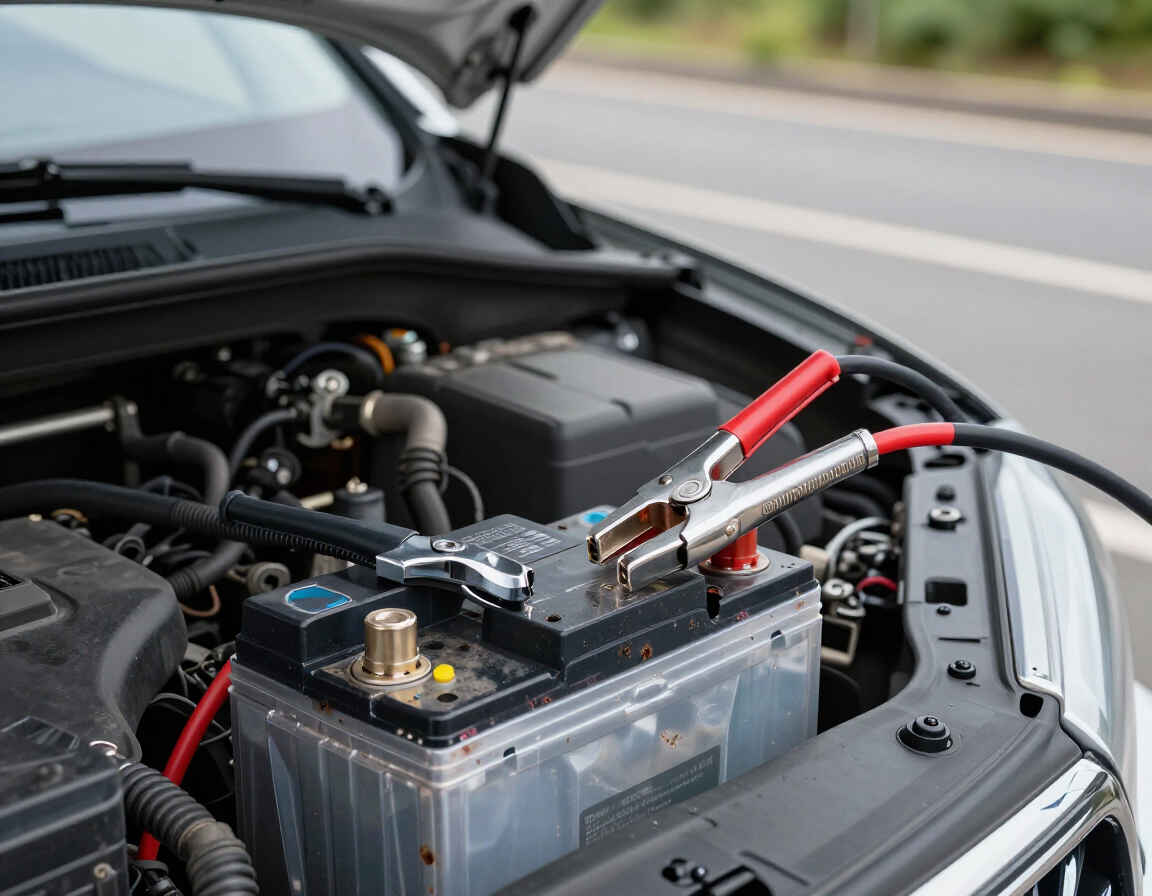
Situations You Can Handle Yourself: Simple Dead Battery
- How to safely jump-start your car
- When to attempt vs. when to call for help
- Safety precautions around electrical systems
Minor Tire Issues
- Using tire sealant for small punctures
- When a spare tire is safe to install yourself
- Proper jack placement and safety procedures
Situations That Require Professional Help: Any Highway Breakdown
- Safety risks of highway repairs
- Legal requirements in many states
- Professional equipment for safe vehicle retrieval
Complex Mechanical Issues
- Engine problems beyond a dead battery
- Transmission or drivetrain issues
- Any situation involving fluids leaking
Severe Weather Conditions
- Ice, snow, or heavy rain hazards
- Reduced visibility situations
- When weather makes self-help dangerous
Safety Tips for Any Roadside Emergency:
- Pull as far right as safely possible
- Turn on hazard lights immediately
- Exit from the side away from traffic when possible
- Stay visible with reflective clothing or flares
- Stay with your vehicle unless it's unsafe
- Keep your phone charged and know your location
When to Call 911 vs. Towing Service:
- Medical emergencies or injuries
- Vehicle fires or hazardous material spills
- Accidents with property damage or injuries
- Situations blocking traffic or creating safety hazards
How to Communicate Effectively with Your Towing Service:
- Provide exact location (mile markers, cross streets, landmarks)
- Describe your vehicle and the problem clearly
- Ask for estimated arrival time
- Confirm pricing before service begins